How to Choose the Best Chip Removal Device for Your Needs?
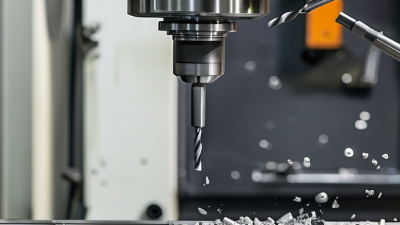
Choosing the right Chip Removal Device is crucial for efficiency. In various industries, these tools are vital for maintaining cleanliness and optimizing performance. The right device can significantly reduce downtime and enhance precision.
When selecting a Chip Removal Device, consider your specific needs. Different industries have varying requirements. For example, machining centers need robust solutions, while smaller workshops might favor compact options. The effectiveness of a device can greatly affect productivity.
Researching various models can be overwhelming. Many devices promise superior performance, but not all deliver. User reviews and expert opinions can provide insight. Sometimes, products that seem ideal may not suit your environment. Reflecting on real-world use is essential.
Understanding the Importance of Chip Removal Devices in Manufacturing
In the realm of manufacturing, chip removal devices play a crucial role. They ensure clean work environments and maintain optimal machine performance. According to a report by the National Institute of Standards and Technology, improper chip removal can decrease productivity by up to 30%. This highlights the importance of investing in the right device.
Manufacturers face challenges in choosing chip removal systems that cater to their specific production needs. The market offers various options, from manual tools to automated systems. For instance, a 2022 industry study revealed that automated chip removal systems reduce labor costs by 20%. However, they may require higher upfront investments. Evaluating total cost of ownership remains vital for manufacturers.
Improper chip management can lead to issues such as tool wear and production delays. According to industry experts, about 40% of machining problems stem from inadequate chip removal. This reminds manufacturers to prioritize chip removal strategies. Regular assessments of the chosen devices can mitigate long-term risks, ensuring sustained operational efficiency.
Identifying Your Specific Needs and Usage Scenarios
Choosing the right chip removal device starts with understanding your specific needs. Different applications require various features, and a mismatch may lead to inefficiency. For instance, if you frequently work with high-density materials, you might need a device with enhanced suction power. According to industry reports, devices that provide customizable settings improve productivity by over 30%.
Consider your usage scenarios carefully. A tool suited for wood processing may not perform well in metal works. Research indicates that around 40% of users face issues with versatility due to not assessing their needs accurately. Think about how often you'll be using the device and in what environments. If you work in multiple settings, portability should be on your radar.
Don't shy away from seeking expert insights. Many professionals recommend testing different models before making a decision. User reviews show that firsthand experiences highlight the nuances of performance that specifications may overlook. There's no one-size-fits-all solution. Evaluating your needs is crucial for making a choice that minimizes waste and maximizes efficiency. Your selection process should involve trial and error, leading toward a more informed decision.
Comparing Different Types of Chip Removal Devices
When selecting a chip removal device, it’s important to compare various types to find the best one for your specific needs. There are several options on the market. For instance, vacuum systems are highly efficient for larger shops, removing chips in real time during operation. However, they may require more maintenance. On the other hand, conveyor systems are great for high-volume applications. They handle larger quantities but can take up significant floor space.
Research indicates that chip removal efficiency can impact overall productivity by up to 30%. Investing in the right device may minimize downtime and enhance your operations. A chip auger, while compact and simple, might not suit all environments. Its effectiveness can decrease if not adequately paired with the right tooling.
Tips: Ensure the selected device fits your workspace. Check the specifications before buying. More importantly, consider the noise level of the device. A noisy machine can hinder communication and focus. Remember that while efficiency is crucial, human considerations matter just as much in a busy shop environment. A balanced approach may lead to better long-term satisfaction.
Comparison of Chip Removal Devices by Efficiency and Cost
This chart compares various chip removal devices based on their efficiency in percentage and cost in USD. The data indicates that while vacuum systems offer the highest efficiency, they are also the most expensive. In contrast, air blowers are cost-effective but have lower efficiency.
Evaluating Key Features and Specifications
When selecting a chip removal device, understanding its key features can make a significant difference. Look for the design and build quality. A well-constructed device ensures durability and efficiency. Additionally, consider the size and weight. It should be manageable and suitable for your workspace.
Another crucial aspect is the power and suction capabilities. Devices with stronger suction can remove chips more efficiently. This is particularly important in larger projects where debris can accumulate quickly.
Tip: Check user reviews for insights on performance. Real-world experiences often reveal strengths and weaknesses that specs may not cover. Examine the ease of maintenance as well. Devices requiring frequent upkeep can slow down your workflow. Always opt for a model that balances performance and convenience.
Assessing Budget and Long-Term Cost Efficiency
When selecting a chip removal device, understanding its impact on your budget and long-term cost efficiency is crucial. A recent industry report highlights that effective chip removal systems can reduce overall operational costs by up to 20%. Investing in a reliable system means fewer maintenance issues and lower waste disposal costs.
Consider the initial purchase price and ongoing maintenance expenses. Some devices may seem economical upfront yet may require frequent repairs. The true cost must factor in efficiency and lifespan. This is where performance metrics become significant. For example, a device with a higher upfront cost may last longer, resulting in savings over time.
Evaluate energy consumption as well. Devices that consume less energy can lead to reduced utility bills. According to recent studies, energy-efficient models can cut electricity costs by about 15%. This reduction is essential for businesses seeking to maximize their profit margins. Balancing these financial aspects requires careful thought and a proper assessment of how a chip removal device aligns with your operational needs.
How to Choose the Best Chip Removal Device for Your Needs?
| Device Type |
Initial Cost ($) |
Operating Cost per Year ($) |
Lifespan (Years) |
Total Cost Over 5 Years ($) |
| Vacuum System |
800 |
100 |
10 |
1800 |
| Centrifugal System |
1200 |
150 |
8 |
2400 |
| Magnetic Chip Conveyor |
1500 |
200 |
10 |
3200 |
| Coolant Chip Separator |
650 |
80 |
7 |
1340 |
| Hydraulic Chip Collector |
2000 |
250 |
12 |
3900 |
 +86 13630122007

 CONTACT YIYAN
 CONTACT YIYAN