Why Choose the Right Cutting Tool for Your Business Needs?
Choosing the right cutting tool for your business is crucial. A cutting tool can determine your production efficiency. The right choice can enhance precision and reduce waste. However, many businesses overlook this important decision.
Cutting tools vary greatly in design and material. The right one for you depends on your specific needs and industry. A poorly chosen tool may lead to increased costs and downtime. It's vital to understand how different tools perform under various conditions.
Consider factors like tool life and material compatibility. These affect not only performance but also safety. Regularly reassessing your cutting tool selection is essential for continuous improvement. Don’t rush this decision; take time to reflect on your needs. A well-informed choice can lead to significant gains in productivity and profitability.
Understanding Cutting Tools: Types and Their Applications in Industries
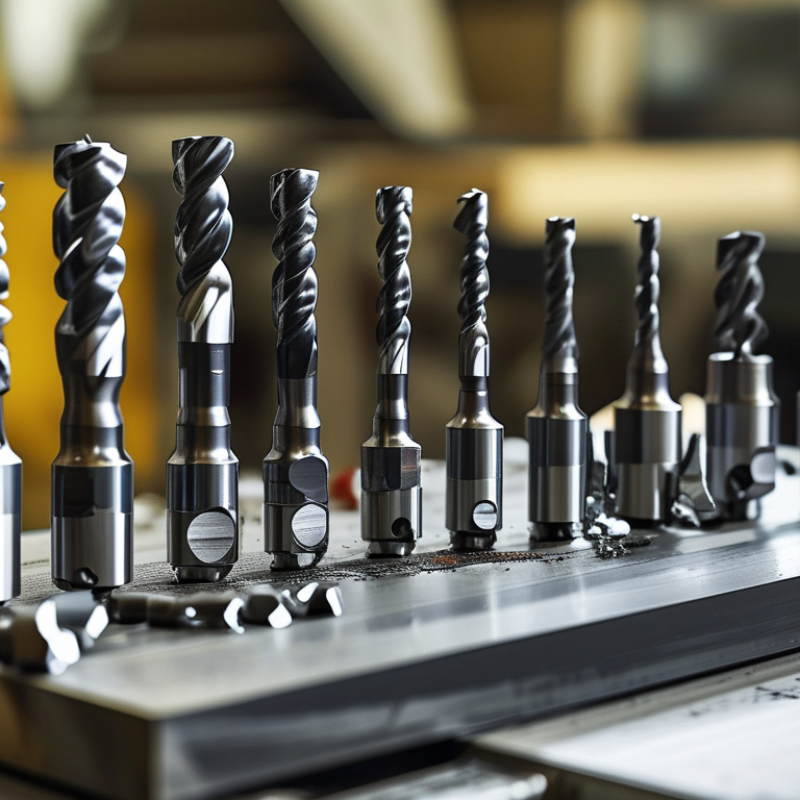
Cutting tools play a crucial role in various industries, such as manufacturing and construction. They come in different types, each designed for specific applications. Knowing these types helps in selecting the right tool for your business needs. For example, drills are essential for making precise holes in materials like metal and wood. Saws, on the other hand, are used to cut through larger sections. Understanding these tools allows for better-informed decisions.
Another category includes milling tools, which are used for shaping and machining surfaces. These tools can create intricate designs but require expertise to operate effectively. Improper use can lead to wasted materials and increased costs. Additionally, tools like lathe cutting tools remove material to form cylindrical shapes. Each tool type has its strengths, but their effectiveness depends on the user's experience and skill level.
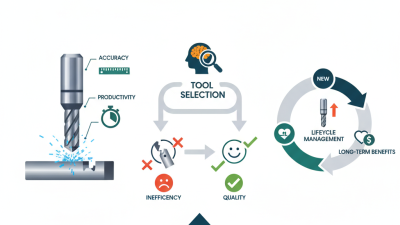
Choosing the right cutting tool involves evaluating factors such as material type and desired precision. It's important to consider the trade-offs involved. For instance, higher precision tools may come at a higher cost, but they could save time in the long run. Ultimately, investing time in understanding these tools enhances overall productivity and quality in production processes.
Importance of Material Selection for Cutting Tools Based on Industry Standards
Selecting the right material for cutting tools is crucial in various industries. It can significantly affect the efficiency and precision of manufacturing processes. According to a report by the Metalworking Industry Association, over 35% of production downtime is attributed to tool wear and failure. This indicates the pressing need for careful material selection based on industry standards.
Different industries demand specific material properties. For example, aerospace applications require tools that can withstand extreme temperatures and stresses. In contrast, the automotive sector may prioritize tools resistant to wear and tear. A recent study indicated that high-speed steel and carbide tools are preferred for their durability across multiple applications. However, not all companies adapt their tool choices based on evolving standards. This oversight can lead to operational inefficiencies and increased costs.
Moreover, the availability of advanced materials offers new opportunities. Tools made from ceramic or composite materials often provide superior performance but may not be widely used. Understanding the long-term benefits and limitations of each material is essential. Companies must continually reassess their tool selections to remain competitive. Embracing innovation in material choices can enhance overall productivity and quality in manufacturing processes.
Material Selection Impact on Cutting Tool Performance
This chart illustrates the average tool life in hours for different cutting tool materials, emphasizing the importance of material selection based on industry standards. Selecting the right material can significantly enhance tool performance and longevity, thereby optimizing operational efficiency.
Cost-Benefit Analysis: Investing in the Right Cutting Tool for Efficiency
When selecting the right cutting tools, a cost-benefit analysis is essential. Investing in quality tools can improve efficiency significantly. A well-chosen cutting tool enhances precision and reduces waste. This means better products and higher profits.
Analyzing costs goes beyond price tags. Consider how much downtime affects production. A cheaper tool may wear out quickly. This leads to frequent replacements and increased labor costs. A more reliable tool might seem expensive initially but can lead to long-term savings.
Experience matters. Businesses thrive when they invest wisely. Consider the specific needs of your industry. Every application requires different tools. Relying on generic options can hinder performance. It's worth researching and consulting experts. Evaluating the right options can make a profound difference. The right decision today can foster success tomorrow.
Impact of Cutting Tool Quality on Manufacturing Productivity and Safety
Choosing the right cutting tool significantly influences manufacturing productivity and safety. High-quality tools reduce wear and enhance precision. This, in turn, leads to fewer production errors. Manufacturing demands efficiency, and subpar quality can slow tasks and increase costs. Investing in better tools creates a more effective workflow.
Tips: Always consider the material you’re working with. Different materials require unique cutting edges for optimal performance. Regular maintenance also extends tool life. Inspect tools for wear; damaged tools can compromise safety and quality.
Another consideration is the ergonomics of the tools used. Comfortable tools can reduce operator fatigue, improving overall productivity. Workers need to be trained in proper tool usage. Improper handling can lead to accidents and injuries. Reflect on the importance of continuous training for staff, as safety cannot be overstated. Regular feedback channels can identify areas for improvement, ensuring a safer work environment.
Industry Trends: Innovations in Cutting Tool Technology for Future Needs
The cutting tool industry is evolving rapidly. Innovations are shaping the way businesses operate, focusing on
efficiency and performance.
According to a recent report by MarketsandMarkets, the global cutting tool market is projected to reach
$25 billion by 2026, highlighting the demand for advanced technologies.
One key trend is the introduction of smart cutting tools. These tools utilize IoT technology to provide real-time monitoring and analytics,
enhancing productivity. However, companies need to assess their specific needs before investing in such technologies.
Understanding your requirements is critical.
Analyze past performance and
identify areas that need improvement.
Tips: Invest in training your workforce on new tools. A skilled team maximizes tool potential.
Utilize data-driven decision-making to guide tool choices.
It creates a foundation for future success.
Additionally, manufacturers are focusing on sustainable materials. Eco-friendly tools
reduce environmental impact while maintaining efficiency. Many businesses overlook this aspect. Failing to adopt sustainable practices
may alienate eco-conscious clients.
Evaluate your current material usage and consider alternatives that also meet your needs.
 +86 13630122007

 CONTACT YIYAN
 CONTACT YIYAN