2026 Top Precision CNC Grinding Machine Buying Guide?
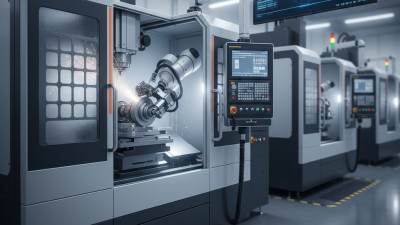
In the world of manufacturing, the Precision CNC Grinding Machine is essential. These machines play a critical role in achieving high tolerances and superior surface finishes. Choosing the right grinding machine can significantly impact your production efficiency and product quality.
When evaluating options, it's vital to consider your specific needs. Factors such as material type, part dimensions, and desired finishes influence the best fit for your business. While many machines boast advanced features, not every option will meet your requirements. This complexity often leaves buyers overwhelmed.
Reflecting on experiences from industry experts reveals common pitfalls. Many overlook essential factors, leading to costly mistakes. Prioritizing reliable brands with proven track records can mitigate some risks. Ultimately, your choice should align with your operational goals. Understanding the nuances will empower you in making informed decisions.
Key Factors to Consider When Purchasing CNC Grinding Machines
When purchasing CNC grinding machines, understanding key factors is crucial. The precision of these machines directly impacts production quality and efficiency. According to a report by MarketsandMarkets, the CNC machining market is expected to grow significantly, projected to reach USD 100 billion by 2026. This growth highlights the increasing need for precise machining solutions in various industries.
Consider machine
accuracy and rigidity. A machine’s accuracy can determine tolerances and surface finishes. Ensure the machine meets the specific precision requirements for your projects. Additionally, machine stability is paramount, as vibration can lead to inaccuracies. Data from the
International Journal of Advanced Manufacturing Technology emphasizes that even minor vibrations can cause significant errors in precision components.
Evaluate the software capabilities tied to the CNC machine. Advanced software can enhance
usability and programming efficiency. Operators must be familiar with the programming environment to maximize machine capabilities. Research indicates that inadequate training can lead to operational inefficiencies, highlighting the need for ongoing education. A comprehensive understanding of both machine features and user training can significantly improve production outcomes.
Types of Precision CNC Grinding Machines Available on the Market
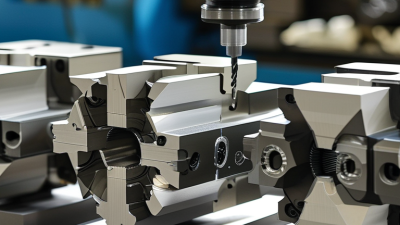
When selecting a precision CNC grinding machine, understanding the available types is crucial. There are several categories to consider. Surface grinders are popular for flat surfaces, making them ideal for precision work. Their design helps achieve fine tolerances and high-quality finishes. Meanwhile, cylindrical grinders excel in shaping rods and tubes, offering versatility in production.
Another notable type is the tool and cutter grinder. This machine is essential for sharpening cutting tools and maintaining their performance. Each type has unique advantages but also poses certain challenges. For instance, buying a surface grinder may require space allocation considerations. Users must also pay attention to the machine's operational complexity.
Moreover, some machines may come with specific limitations. Not all models support every material or size requirement. It's vital to assess your unique needs before making a decision. While researching, consider the availability of parts and service support. Remember, choosing the right precision CNC grinding machine is a significant investment that requires careful thought and reflection.
2026 Top Precision CNC Grinding Machine Buying Guide
| Machine Type |
Application |
Accuracy (μm) |
Wheel Size (mm) |
Price Range (USD) |
| Surface Grinding Machine |
Flat surfaces |
1 - 3 |
200 - 500 |
$10,000 - $50,000 |
| Cylindrical Grinding Machine |
Cylindrical parts |
0.5 - 2 |
150 - 300 |
$15,000 - $70,000 |
| Tool and Cutter Grinder |
Tools and cutters |
2 - 5 |
100 - 250 |
$8,000 - $30,000 |
| Internal Grinding Machine |
Internal surfaces |
0.5 - 1.5 |
75 - 200 |
$12,000 - $50,000 |
| Centerless Grinding Machine |
Long parts |
1 - 3 |
50 - 150 |
$20,000 - $100,000 |
Essential Features and Specifications for Optimizing Performance
When purchasing a precision CNC grinding machine, it's vital to consider essential features that enhance performance. A machine's rigidity is crucial. It helps maintain precision during operation. Look for solid construction materials and design that minimize vibrations. This stability can significantly impact product quality.
Another important specification is the machine's spindle speed. Higher speeds usually lead to better finishes. However, there is a balance. Too high a speed can cause overheating. Effective cooling systems are essential. Ensure the machine has reliable temperature control to optimize performance and prolong its lifespan.
Don’t overlook automation features. Advanced CNC machines offer programmable functions. This includes automatic tool changes and real-time monitoring. These features reduce human error and increase efficiency. However, they require an upfront investment and may complicate maintenance. Be prepared for potential troubleshooting challenges.
Consider these aspects carefully to ensure the right fit for your production needs.
Cost Analysis: Budgeting for a Precision CNC Grinding Machine
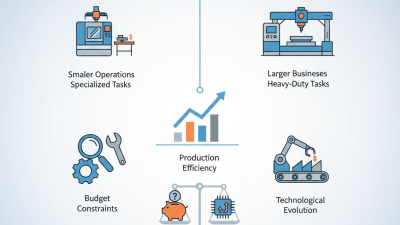
When budgeting for a precision CNC grinding machine, several factors come into play. The upfront cost of the machine itself can be significant. Prices can vary widely based on machine features, size, and specifications. Additionally, consider installation and setup fees, which may not be included in the purchase price.
Operating costs should also be on your radar. These encompass energy consumption, maintenance, and tooling expenses. Regular maintenance can prevent costly breakdowns. Neglecting this aspect could lead to unexpected downtime. Factor in employee training costs too, as skilled operators are essential for maximizing productivity.
**Tips:**
Evaluate used machines if you're on a budget. They can offer good value but may lack warranty support. Consider the long-term return on investment rather than just the initial cost. Always seek detailed quotes and compare different suppliers to ensure you're making an informed decision. These steps can save you money in the long run.
2026 Precision CNC Grinding Machine Cost Analysis
Top Brands and Models in Precision CNC Grinding Machinery
When searching for precision CNC grinding machines, understanding the leading brands and models is essential. Top brands in this market often exemplify quality and durability. Each model typically comes with unique features designed for specific applications. For instance, some machines may focus on ultra-fine grinding, while others provide heavy-duty performance.
Tips for selecting the right machine: consider your specific grinding needs first. Some models excel in speed, while others prioritize precision. Always check user reviews. Real feedback offers insights into reliability and performance that specifications may not cover. Additionally, think about maintenance options. Machines requiring specialized parts can become costly over time.
It's important to acknowledge that while some brands may dominate the market, not every machine will suit your needs. Take the time to research various models. Compare features, but also explore budget options. Remember, an expensive machine isn’t always the best choice. Balancing cost, quality, and functionality is crucial for optimal performance in your operations.
 +86 13630122007

 CONTACT YIYAN
 CONTACT YIYAN