China Top CNC Machining Parts Manufacturers and Their Innovations?
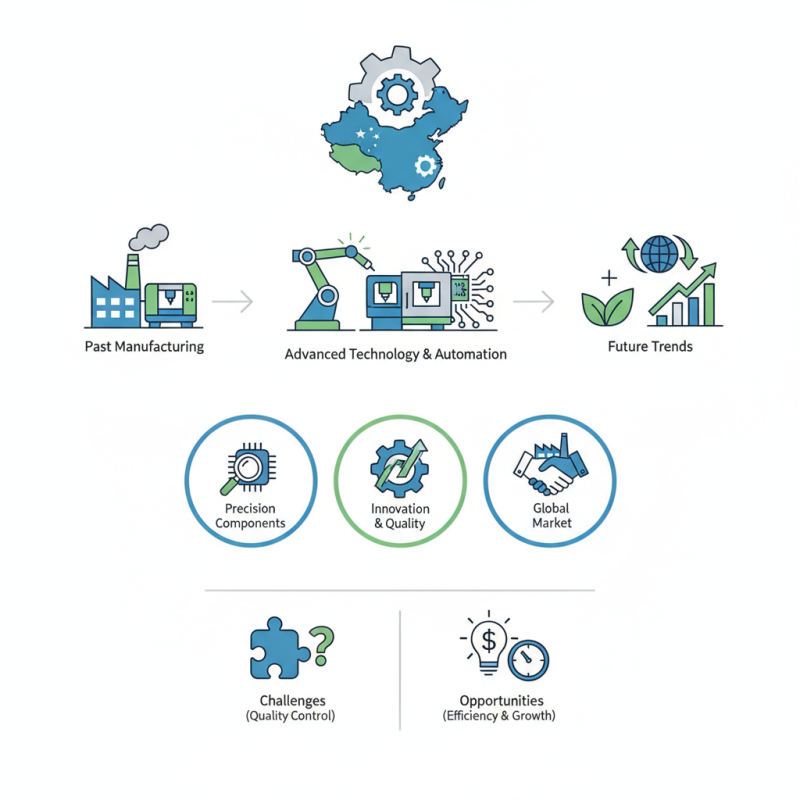
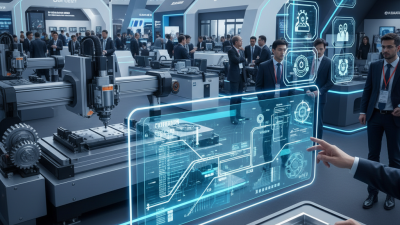
In recent years, China has emerged as a powerhouse in the manufacturing of CNC machining parts. The country’s factories leverage advanced technology and skilled labor to create precise components for various industries. This rapid evolution reflects a commitment to innovation and quality.
Leading manufacturers focus on streamlining production processes. They implement automation and incorporate cutting-edge CNC systems. Yet, challenges remain in maintaining consistent quality amid growing demand. Some firms struggle to keep pace. This discrepancy highlights areas for improvement and reflection within the sector.
As globalization continues to shape the market, manufacturers must adapt to new standards. Sustainability and efficiency are becoming paramount. The landscape of CNC machining parts is dynamic and competitive. Companies that embrace change will thrive. Understanding these trends is crucial for staying ahead.
Overview of CNC Machining in China
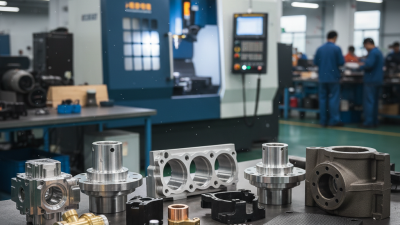
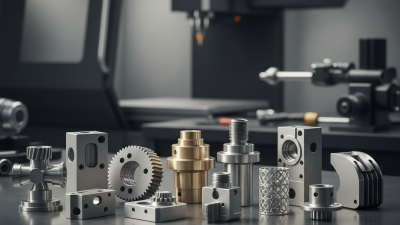
CNC machining in China has evolved rapidly, becoming a cornerstone of modern manufacturing. This process utilizes computer-controlled tools to create precise parts from various materials. It offers high efficiency and accuracy, attracting industries worldwide. As the demand for custom components rises, Chinese manufacturers innovate significantly to enhance capabilities.
Recent advancements focus on automation and smart technology. Many manufacturers are integrating artificial intelligence into CNC machines. This innovation improves production speed and error detection. Additionally, eco-friendly practices are gaining traction. Using sustainable materials and energy-efficient processes reflects a growing awareness of environmental impacts.
**Tip:** Regular maintenance of CNC machines can prevent major issues and increase their lifespan.
While Chinese companies lead in technology, challenges remain. Some manufacturers struggle with adopting the latest tech or achieving consistent quality. Embracing these innovations requires investment and skilled labor. Companies must stay informed and adapt to market trends to remain competitive.
**Tip:** Invest in staff training to maximize CNC machine efficiency.
Understanding the complexities of CNC machining helps in navigating this competitive landscape. Staying updated on technological advancements ensures that manufacturers remain relevant. The commitment to innovation and quality can pave the way for future achievements.
CNC Machining Innovation Trends in China
Key Players in China's CNC Machining Parts Industry
China has become a significant player in the CNC machining parts industry. According to market research, the industry is projected to grow at a CAGR of 7% between 2021 and 2026. This growth is fueled by technological advancements and increasing demand for precision parts in various sectors, including automotive and aerospace.
Key manufacturers are investing heavily in automation and smart manufacturing. These innovations aim to enhance production efficiency and reduce costs. For instance, the adoption of robotic arms and precision tools has improved production speed. However, challenges remain. Many companies still struggle with skill gaps in their workforce. This can hinder the implementation of advanced technologies and impact product quality.
The industry landscape is shifting. Emerging players focus on niche markets, offering specialized CNC machining solutions. The competition drives established firms to innovate continuously. Sustainable practices are now also a priority, with some manufacturers exploring eco-friendly materials. Yet, the transition to greener processes is slow. Balancing profitability and sustainability is a key concern for many in the industry.
China Top CNC Machining Parts Manufacturers and Their Innovations
| Manufacturer |
Annual Revenue (Million $) |
Number of Employees |
Specialization |
Innovative Technologies |
| Manufacturer A |
150 |
200 |
Aerospace |
3D Printing Integration |
| Manufacturer B |
200 |
350 |
Automotive |
AI-Powered Quality Control |
| Manufacturer C |
120 |
150 |
Medical Devices |
Robotic Machining |
| Manufacturer D |
180 |
250 |
Electronics |
Smart Manufacturing Systems |
| Manufacturer E |
220 |
400 |
Consumer Goods |
IoT Integration |
Innovative Technologies in CNC Machining Processes
In recent years, CNC machining has embraced innovative technologies to enhance efficiency and precision. One significant advancement is the integration of artificial intelligence (AI) in CNC processes. AI algorithms optimize machining parameters, reducing waste and improving lead times. According to a report by the International Manufacturing Technology Show, companies utilizing AI in CNC machining have seen productivity increases of up to 30%.
Additive manufacturing, or 3D printing, is another game-changer in the industry. This technology enables the production of complex geometries that traditional methods cannot achieve. A study by Wohlers Associates revealed that the additive manufacturing sector is projected to grow to $21 billion by 2025. However, the transition to incorporating these technologies poses challenges. Many manufacturers face a steep learning curve and must invest in new training for their workforce.
Additionally, automation is reshaping CNC machining. Robotic arms and automated workcells streamline operations, enhance precision, and reduce human error. However, the reliance on automated systems can make companies vulnerable to disruptions. This raises questions about balancing innovation with operational resilience. Continuous investment in technology and workforce skills is essential for sustainable growth in this dynamic sector.
Quality Control Standards Among Leading Manufacturers
Quality control is essential in CNC machining. Leading manufacturers implement rigorous standards to ensure precision and reliability. They often use advanced tools such as coordinate measuring machines (CMM) for detailed inspections. This technology helps detect any deviations early in the production process.
Innovations in quality control come from integrating automation with traditional techniques. Some companies now employ AI-driven data analytics. These systems analyze production data in real-time, offering insights that were previously difficult to obtain. However, reliance on technology can sometimes lead to oversights, highlighting the need for human expertise.
Additionally, training programs are increasingly crucial. Employees must understand both the technology and the standards required. Yet, not every company invests adequately in this area, leading to knowledge gaps. Consistent training ensures that workers remain updated on evolving quality standards and practices. Quality control is an ongoing journey. Continuous improvement should always be the goal.
Future Trends in China's CNC Machining Market
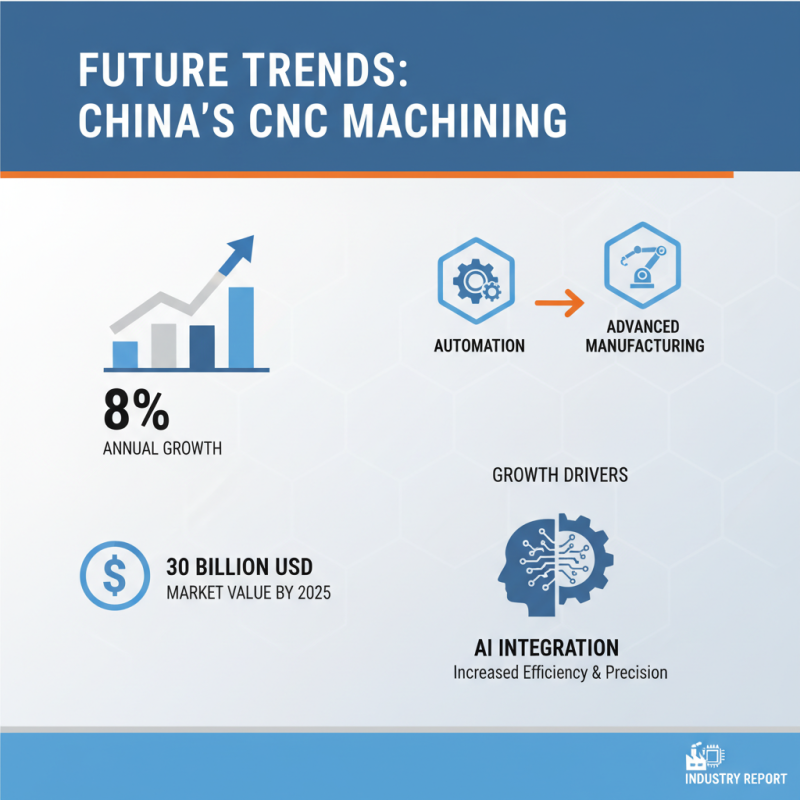
China's CNC machining market is on the brink of significant transformation. According to a recent industry report, the market is projected to grow by 8% annually, reaching an estimated value of $30 billion by 2025. This growth is driven largely by the push for automation and advanced manufacturing techniques. Moreover, the integration of artificial intelligence in CNC processes is redefining production efficiency and precision.
Innovations in materials and technology are also shaping the landscape. For instance, manufacturers are tapping into composite materials for lightweight yet durable components. This shift not only enhances product performance but also meets the increasing demand for sustainability. While these developments are promising, there remains a challenge. Many companies lack the skilled workforce necessary to implement these advanced technologies effectively.
Furthermore, despite the rapid advancements, some businesses grapple with outdated machinery. This creates a gap in competitiveness and efficiency. As the industry evolves, companies must balance innovation with training and equipment upgrades. The path forward will require a collective effort to invest in both human and technological resources.
 +86 13630122007

 CONTACT YIYAN
 CONTACT YIYAN