Top 10 Best CNC Machining Parts for Precision Engineering?
In the world of precision engineering, CNC machining plays a vital role. Leading industry expert John Smith states, “CNC machining parts are the backbone of modern manufacturing.” His insight reflects the importance of these components in achieving accuracy and efficiency.
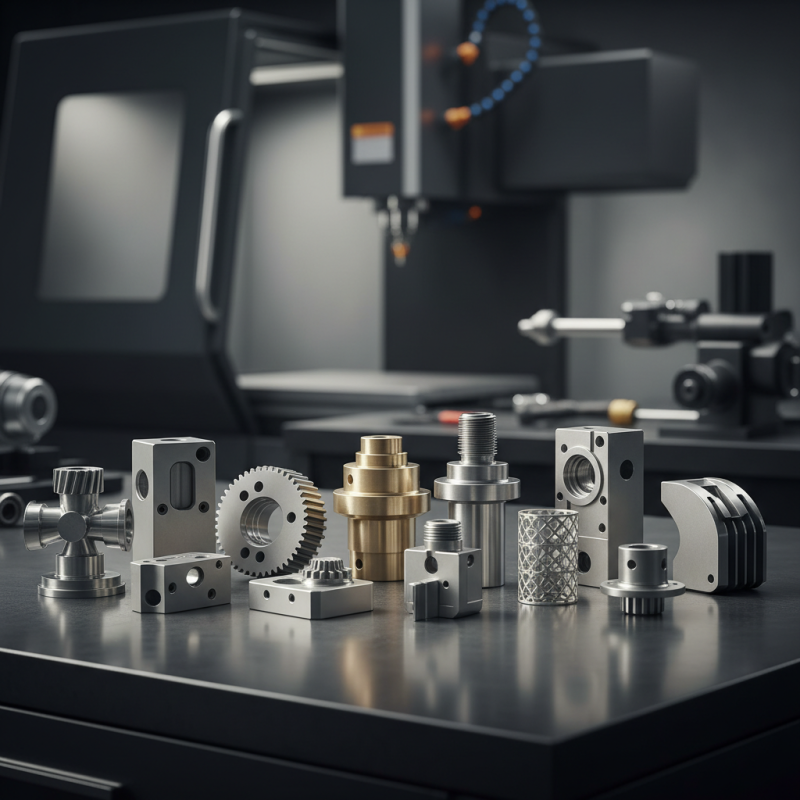
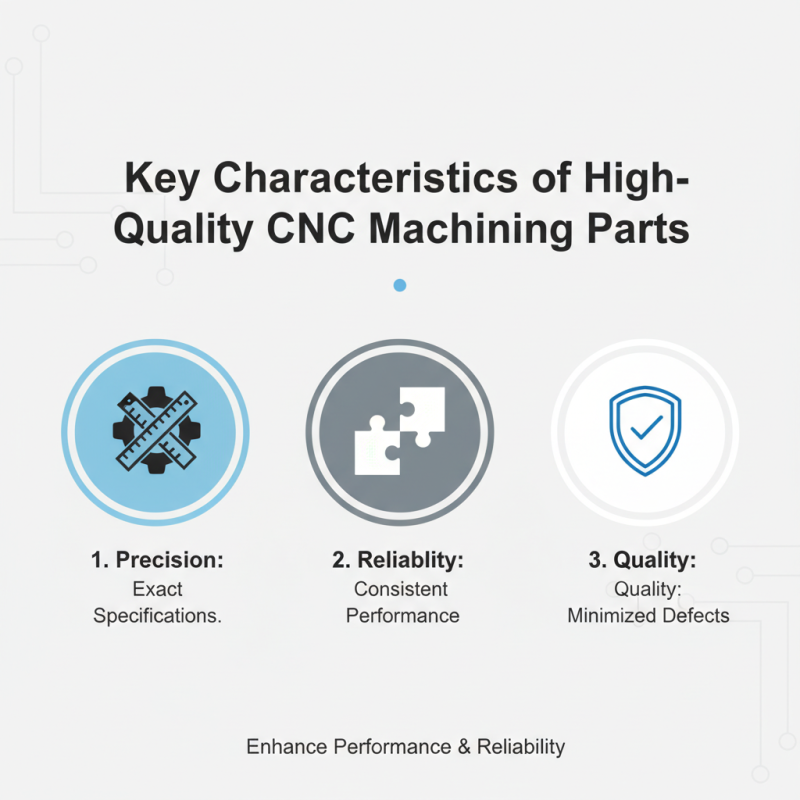
CNC machining parts are essential for creating complex designs. They are used across various sectors, from aerospace to medical devices. With their ability to produce high-quality parts, they allow for innovative engineering solutions. Precision is key, but it requires skilled operators and reliable machines.
However, not all CNC machining parts meet the standards. Some companies compromise on quality to cut costs. This can lead to issues in production and product performance. It is crucial for engineers to choose suppliers wisely. Reliable vendors ensure that the parts meet industry standards, reducing the risk of failure.
Introduction to CNC Machining in Precision Engineering
CNC machining is essential for precision engineering. This technology allows for high accuracy and repeatability in manufacturing. According to a report by Grand View Research, the global CNC machine market is projected to reach $100 billion by 2025. This growth highlights the rising demand for precision-engineered components across various industries.
One significant advantage of CNC machining is its ability to produce complex geometries. CNC machines can easily create intricate designs that manual machining cannot achieve. A study published in the Journal of Manufacturing Processes noted that precision machining can reduce tolerances to ±0.005 inches. This accuracy is crucial in industries like aerospace and automotive, where even minor misalignments can have serious consequences. However, the reliance on advanced technology brings challenges. Errors in programming can lead to costly rework and waste.
Furthermore, material choice is critical in CNC machining. Common materials include aluminum, stainless steel, and plastics. Each material presents unique machining challenges. For instance, harder materials may require specialized tools to prevent wear. Engineers must continuously assess how material properties affect machining processes. As technology evolves, it's vital to stay updated on best practices to avoid pitfalls in production.
Top 10 CNC Machined Parts for Enhanced Performance
When it comes to CNC machining, precision is paramount. Choosing the right machined parts can significantly enhance performance. Materials like aluminum and titanium are popular due to their lightweight and strength. These materials allow for intricate designs while keeping durability in mind.
In this competitive field, consider sourcing from multiple suppliers. This approach can help ensure quality and encourage innovation. Don’t overlook the importance of a well-defined design review process. A poorly specified part can lead to costly mistakes. Feedback from experienced engineers can improve outcomes tremendously.
**Tips:** Always assess the surface finish for the intended application. A smoother finish often leads to better functionality. Be cautious about tolerances; they should match the requirements of your project closely. Regular audits of your machining processes can also uncover areas for improvement. Even successful projects need reflection to avoid complacency.
Top 10 CNC Machined Parts for Enhanced Performance
| Part Name |
Material |
Precision Level |
Typical Applications |
Weight (grams) |
| CNC Engine Block |
Aluminum Alloy |
±0.01 mm |
Automotive |
2500 |
| CNC Gear |
Carbon Steel |
±0.02 mm |
Machinery |
150 |
| CNC Valve |
Stainless Steel |
±0.05 mm |
Fluid Control |
200 |
| CNC Bracket |
Aluminum |
±0.03 mm |
Support Structures |
500 |
| CNC Housing |
Plastic |
±0.1 mm |
Electronics |
100 |
| CNC Tooling Insert |
Cemented Carbide |
±0.002 mm |
Machining |
50 |
| CNC Shaft |
Mild Steel |
±0.01 mm |
Automotive |
350 |
| CNC Plate |
Aluminum |
±0.02 mm |
Structural Components |
1200 |
| CNC Connector |
Copper |
±0.01 mm |
Electrical |
30 |
| CNC Piston |
Aluminum Alloy |
±0.01 mm |
Hydraulic Systems |
150 |
Applications of CNC Machined Components in Various Industries
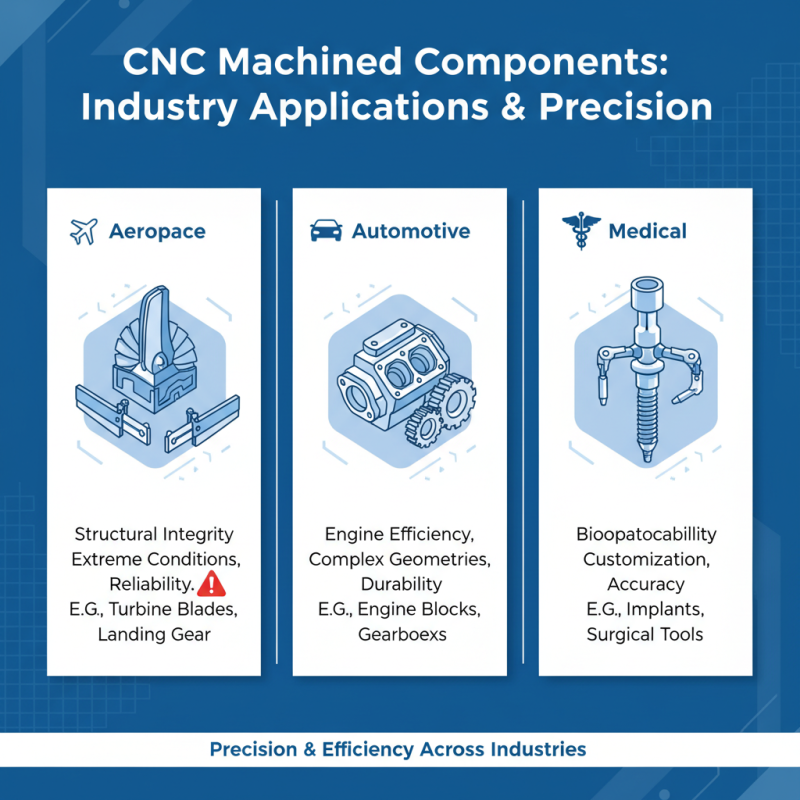
CNC machined components play a pivotal role in various industries, offering precision and efficiency. In aerospace, these parts are crucial for structural integrity. Aircraft require components that withstand extreme conditions. A slight error can lead to catastrophic failures, emphasizing the need for reliability.
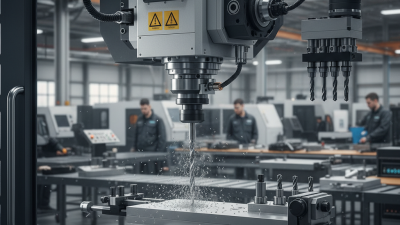
In the automotive sector, CNC machining produces engine components and transmission parts. These parts must meet stringent tolerances. A common challenge is ensuring that every piece fits perfectly during assembly. Even thousands of a millimeter can lead to issues.
Tips: Regularly assess your machining process. Monitor wear on tools, as it impacts precision. Adjust settings as necessary. Also, consider material choice carefully. Each material behaves differently and can affect the final product's characteristics.
Medical devices also benefit greatly from CNC machining. Surgical instruments require exact dimensions. Inaccurate parts can compromise patient safety. The medical industry thrives on trust, and accuracy is non-negotiable.
In manufacturing, CNC machined parts enhance automation. Improved productivity can result from precise machine components. However, maintaining quality control is vital to avoid costly errors. It’s important to be vigilant about inspection processes.
While the applications are vast, challenges remain. Each industry has unique requirements. Continuous improvement and adaptation are necessary in the field of CNC machining. Embracing these challenges can lead to innovations that drive progress.
Future Trends in CNC Machining Technologies and Parts
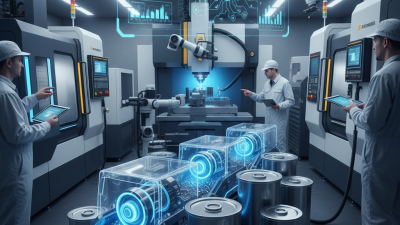
As CNC machining evolves, several trends promise to reshape the industry. Automation plays a pivotal role. A report by MarketsandMarkets predicts a compound annual growth rate (CAGR) of 7.8% in CNC automation from 2021 to 2026. This shift enhances efficiency, reducing human error while increasing production speed. Machining parts are becoming smarter too. Tools with integrated sensors monitor performance in real-time, allowing for adjustments on the fly.
Another significant trend is the rise of additive manufacturing in CNC machining. A study from Wohlers Associates indicates that the 3D printing market is expected to reach $34.8 billion by 2024. This growth suggests a blending of techniques, where traditional CNC methods complement additive processes, creating complex parts with greater design freedom. However, the transition poses challenges. Current CNC systems may require updates to integrate these new technologies.
Sustainability is also on the rise. Companies are seeking eco-friendly materials and processes. The global green manufacturing market is estimated to grow at a CAGR of 8.6% through 2025. Despite this positive trajectory, many manufacturers face hurdles in adoption due to cost and complexity. Balancing innovation with practical implementation remains a critical area for reflection in the field of CNC machining.
Top 10 Best CNC Machining Parts for Precision Engineering
This chart illustrates the production volume of the top 10 CNC machining parts used in precision engineering. As the industry evolves, these parts are increasingly critical for various applications, showcasing trends in material usage and manufacturing capabilities.
 +86 13630122007

 CONTACT YIYAN
 CONTACT YIYAN