10 Tips for Choosing the Right Precision CNC Grinding Machine?
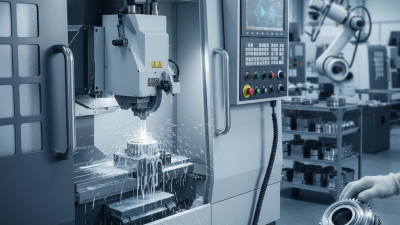
Selecting the right Precision CNC Grinding Machine is crucial for manufacturing excellence. With a variety of options available, it can feel overwhelming. Precision and accuracy are essential in this industry. The right machine can enhance productivity and reduce costs.
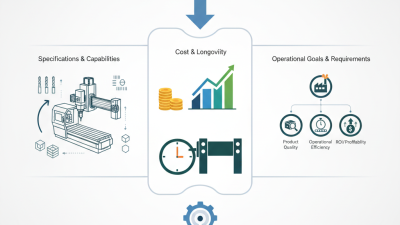
Choosing a Precision CNC Grinding Machine involves careful consideration. Factors such as size, capacity, and technology play significant roles. Those experienced in metalworking know the complexities involved. Your decision should reflect your specific needs and production goals. It is not just about the latest features; reliability is paramount.
Every Precision CNC Grinding Machine comes with pros and cons. It is essential to evaluate your unique requirements carefully. Investing time in research can prevent costly mistakes. Considerations include maintenance ease and technical support availability. In the end, making an informed choice will greatly impact your operations.
Understanding the Basics of Precision CNC Grinding Machines
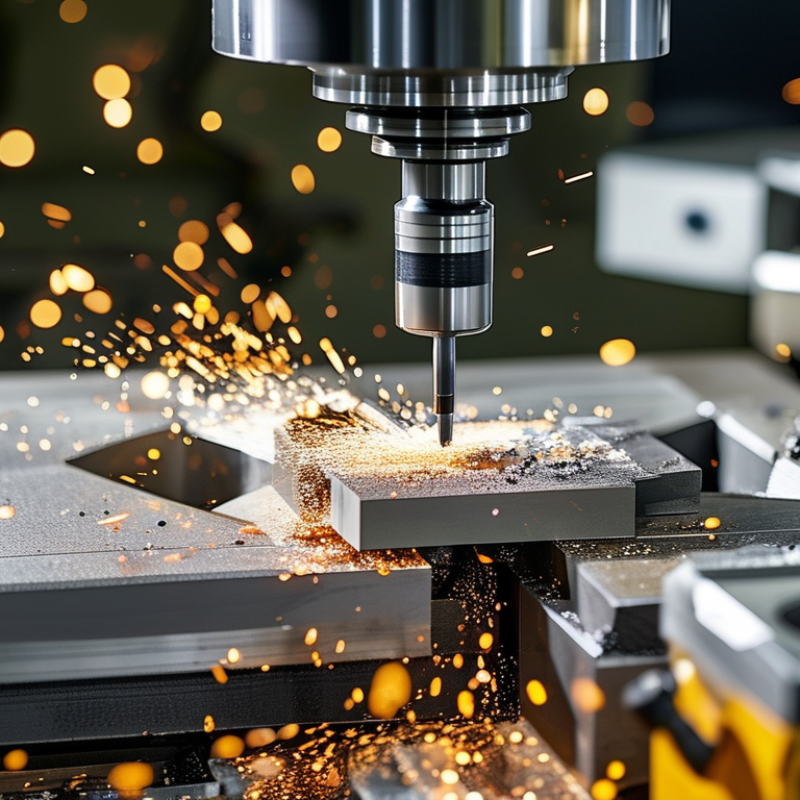
Precision CNC grinding machines play a crucial role in manufacturing. They ensure high accuracy and surface finish in various materials. Understanding their basics is essential for making informed choices. These machines utilize computer numerical control (CNC) technology to automate grinding processes, leading to increased efficiency.
Key components include the spindle, wheel, and axis motion systems. The wheel's composition varies according to the material being ground. For example, diamond wheels are ideal for hard materials. Knowing these details can help in selecting the right machine.
Many buyers overlook the importance of machine maintenance and operator training. Regular maintenance ensures consistent performance. Training operators enhances their skills and reduces mistakes. A machine is only as good as its operator, and investing in their expertise pays off.
10 Tips for Choosing the Right Precision CNC Grinding Machine
| Tip Number |
Tip |
Considerations |
| 1 |
Identify Your Specific Needs |
Assess the types of materials and parts to be ground. |
| 2 |
Understand Grinding Processes |
Choose from surface, cylindrical, or internal grinding based on your needs. |
| 3 |
Consider Machine Size and Footprint |
Ensure adequate space for operation and maintenance. |
| 4 |
Evaluate Precision and Tolerance Requirements |
Determine the level of precision needed for your applications. |
| 5 |
Check CNC Control Options |
Consider user-friendly controls and compatibility with your software. |
| 6 |
Research Spindle Speed and Power |
Higher speeds increase productivity but consider power for heavy materials. |
| 7 |
Evaluate Tooling and Abrasive Options |
Select appropriate tools and abrasives for optimal results. |
| 8 |
Consider Maintenance and Support |
Look for manufacturers with good support and maintenance options. |
| 9 |
Review Safety Features |
Ensure machines include safety guards and emergency stops. |
| 10 |
Compare Costs and Budget |
Set a budget and compare total costs including operation and maintenance. |
Identifying Your Specific Grinding Needs and Applications
When choosing a precision CNC grinding machine, identifying specific grinding needs is critical. Different materials require different machining processes. For instance, hard metals typically need diamond grinding wheels for effective performance. According to a report by the International Journal of Advanced Manufacturing Technology, optimized grinding parameters can improve productivity by over 30%. Understanding material properties can significantly influence your equipment decision.
Applications vary widely. Aerospace components demand high precision, often within a tolerance of ±0.001 mm. A study by the Institute for Precision Engineering highlights that failure to meet these tolerances can lead to severe consequences. Thus, evaluating your production goals is essential. Specific industries require unique grinding capabilities. For example, the medical sector often prioritizes clean room compatibility, a feature often overlooked.
A key aspect is workflow integration. Many users forget to assess how a new machine fits into existing operations. Real-time monitoring features can reduce waste and enhance efficiency. However, not all machines offer this capability. Investing time in detailed analysis can be beneficial. Ignoring specific requirements may lead to poor machine utilization. Always reflect on whether your current solutions align with future needs.
Key Features to Look for in CNC Grinding Machines
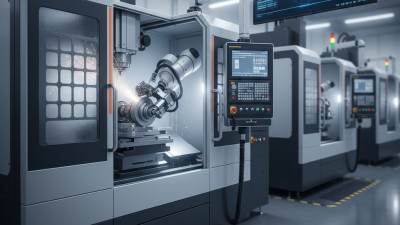
When selecting a CNC grinding machine, understanding key features is vital. Precision is paramount. Look for machines with high-speed spindles. Reports suggest that machines with spindle speeds of 10,000 RPM or more can significantly improve efficiency. This feature allows for smoother finishes and reduces cycle times.
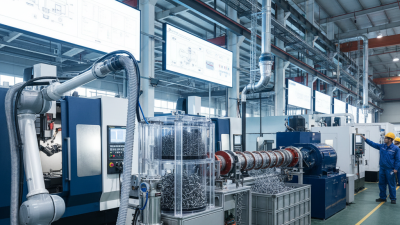
Another critical aspect is automation capabilities. Advanced CNC grinders can integrate with software for real-time data analysis. Studies show that automated systems can reduce human error by up to 70%. This technology improves consistency in production. Consider also the machine's size and weight, which affect its stability during operation. A heavier machine often minimizes vibration, enhancing precision.
Additionally, examine the machine's ease of maintenance. Machines requiring frequent service can lead to production delays. A recent survey indicated that 60% of manufacturers prioritize machines with readily accessible components for quicker repairs. While higher initial costs may deter some, investing in reliable features pays off in the long term. The right choice combines precision, automation, and maintainability for optimal results, ultimately reflecting on your company’s bottom line.
Top 10 Key Features to Look for in CNC Grinding Machines
Evaluating Machine Build Quality and Manufacturer Reputation
When selecting a precision CNC grinding machine, assessing build quality and manufacturer reputation is crucial. A well-built machine should have a sturdy frame and precision components. Check for reviews that mention durability and reliability. These factors directly affect your machining process and overall productivity. A machine that's prone to wear or malfunction can lead to costly downtimes and repairs.
Reputation matters, as it often reflects a manufacturer's commitment to quality. Look for companies known for their customer service and support. Feedback from existing users can provide invaluable insights. It's beneficial to connect with industry professionals who have experience with various brands. They can offer recommendations based on firsthand knowledge.
Consider visiting trade shows or exhibitions. Experiencing machines in person can aid your judgment. Listen to others discuss their experiences with specific models. Engaging with peers can unveil both the strengths and weaknesses of a manufacturer. It's essential to learn from their insights to make a well-informed decision.
Cost Considerations and Budgeting for Your CNC Grinder Purchase
Budgeting for a CNC grinder can be complex. Industry reports indicate that precision CNC grinding machines range from $20,000 to over $100,000. This price variation depends on features and capabilities. High-end models offer advanced technology, while basic machines are more affordable. It's essential to evaluate your specific needs before deciding.
Consider additional costs, such as installation and training. These expenses can add 15-20% to your initial budget. Maintenance costs are also crucial. According to industry data, regular maintenance can save up to 30% on unexpected repairs. This long-term savings highlight the importance of a well-planned budget.
Lastly, financing options can influence your decision. Many companies offer leasing or loan programs. Such options can ease the financial burden. Before committing, assess your cash flow and future needs. These considerations will help you invest wisely in a CNC grinder. Reflect on both immediate and future requirements to make a sound choice.
 +86 13630122007

 CONTACT YIYAN
 CONTACT YIYAN