Leave Your Message

10 Essential Tips for Choosing the Right Spindle Motor

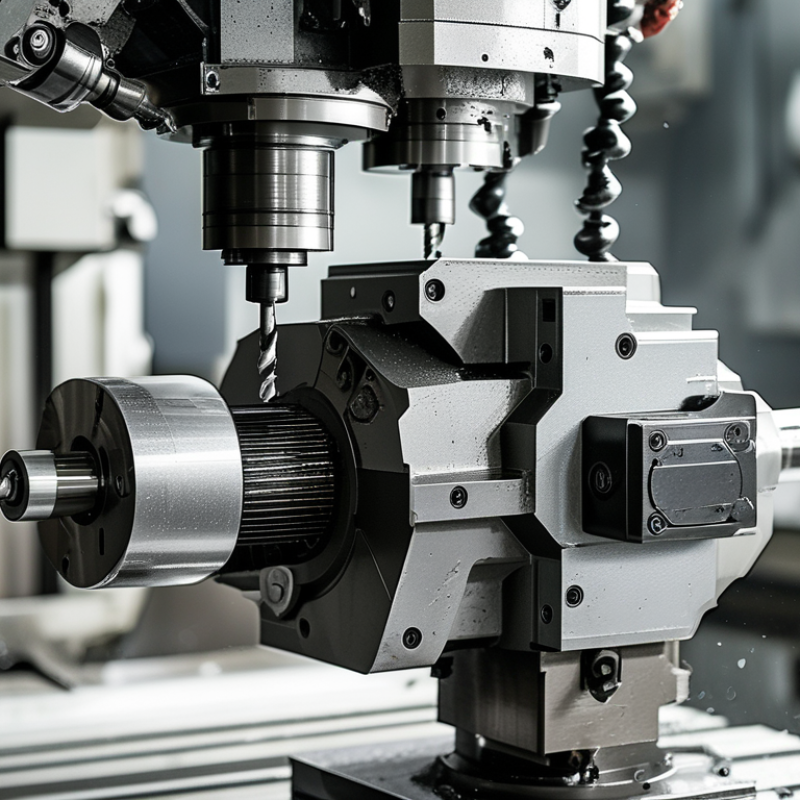
Choosing the right spindle motor can significantly influence your machinery's efficiency and performance. A spindle motor is vital for various applications, including CNC milling, drilling, and engraving. Selecting the appropriate motor ensures optimal operation and longevity.

Consider your specific needs and machine specifications. Not all spindle motors are created equal; they vary in power, speed, and torque. A motor that works for one project may not be suitable for another. It's essential to assess how these factors align with your operational requirements. In addition, budget constraints can impact your decision. While investing in a high-quality spindle motor is ideal, balancing cost and performance is crucial.

Pay attention to the vendor's reputation, customer reviews, and warranty options. Reliable suppliers often provide better support and product quality. Research is key to avoid potential pitfalls in your purchase. Mistakes in choosing a spindle motor can lead to operational inefficiencies and increased costs over time. By carefully evaluating your options, you can make a more informed choice that serves your needs effectively.
10 Essential Tips for Choosing the Right Spindle Motor

Understanding the Importance of Spindle Motors in CNC Applications

Spindle motors play a crucial role in CNC applications, directly impacting machining efficiency and quality. These motors provide the necessary power for cutting tools. According to industry analysis, spindle motors account for approximately 30% of a CNC machine's overall performance. Proper selection of spindle motors can enhance productivity and extend tool life.

Understanding the operational demands is vital. Different materials require specific spindle speeds and torque. For example, high-speed machining of aluminum necessitates motors with higher RPMs. In contrast, cutting harder materials like steel requires more torque at lower speeds. Misalignment between motor specs and machining needs often leads to inefficient operations, causing potential downtime and increased costs.

Moreover, industry reports show that improper spindle motor choices can result in up to 20% higher energy consumption. This emphasizes the need for careful consideration of efficiency ratings. Selecting the right spindle motor can greatly improve the energy footprint of CNC operations. Reflecting on these details can lead to better decision-making in motor selection.

10 Essential Tips for Choosing the Right Spindle Motor

Tip No. Tip Description Considerations
1 Understand Your Application Determine the specific requirements of your CNC application. Material type, cutting speed, and precision.
2 Motor Power Choose the appropriate power rating based on workload. Higher power for heavy materials, lower for softer materials.
3 Speed Range Select a motor with a suitable RPM range for your needs. Adjustable speeds improve versatility.
4 Cooling System Consider a motor with effective cooling for prolonged use. Air-cooled vs. liquid-cooled options.
5 Size and Weight Ensure the spindle fits your CNC machine’s dimensions. Larger motors may require more robust mounting.
6 Torque Characteristics Evaluate the torque required for your specific tasks. Higher torque for tougher cutting tasks.
7 Durability and Build Quality Look for high-quality materials and construction. Longevity and reduced maintenance costs.
8 Vibration and Noise Level Choose a low-vibration spindle for better precision. Reduced wear on machine components.
9 Ease of Installation Select a spindle that is straightforward to install. Saves time and reduces installation errors.
10 Budget Consideration Align your choice with your budget constraints. Consider long-term investment value.

Key Specifications to Consider When Selecting a Spindle Motor

When selecting the right spindle motor, key specifications can make a significant difference in performance. Start with the power rating. The motor's power must align with the demands of your application. Too little power leads to underperformance. Too much can result in overheating and inefficiency.

Next, consider the motor speed. Different applications require different RPMs. For instance, woodworking may need lower speeds, while metalworking often requires higher RPMs. Choose a motor that matches your specific needs. Torque ratings are also crucial. Higher torque allows for better efficiency in cutting materials.

Pay attention to the cooling system as well. A well-designed cooling mechanism prevents overheating during extended use. This can impact the motor's lifespan and reliability. Moreover, look into the overall size and weight. A compact, lightweight spindle motor can offer advantages in certain setups. Be realistic about your workspace. Balancing these specifications with your operational needs is essential. Consider how often you may need to adjust these parameters. Each application has unique demands, and flexibility can be a valuable trait in a spindle motor.

Comparing Different Types of Spindle Motors: DC vs. AC vs. Brushless

When choosing a spindle motor, understanding the differences between DC, AC, and brushless types is crucial. DC motors are simple to control and can provide high torque at low speeds. However, they often require regular maintenance due to brushes wearing out over time. Users might find that the need for maintenance can be a downside, especially in high-demand environments.

AC motors are known for their durability and can handle larger loads. They are excellent for continuous operation. Yet, they are generally bulkier and can be less efficient than their DC counterparts in specific applications. Selecting an AC motor may lead you to reconsider your space requirements in your design. Brushless motors eliminate the maintenance issue of brushes, providing longer lifespan and higher efficiency. They can be an excellent option for precision applications, though they often come with a higher initial cost.

It's important to assess your project's specific needs while weighing the pros and cons. Each type has its strengths and weaknesses. You might want to experiment with different types if you have the resources. In the end, the best choice depends on your unique application requirements, budget, and maintenance considerations.

Comparing Spindle Motor Types: DC, AC, and Brushless

Evaluating Torque and RPM Requirements for Your Machinery

When choosing a spindle motor, understanding torque and RPM requirements is crucial. Torque determines how much force the motor can exert, while RPM (revolutions per minute) defines its speed. Ensure that these specifications align with your machinery needs. Incorrect values can lead to inefficiency or damage.

Evaluating torque involves looking at your application's resistance. Heavy machining tasks require higher torque. Look closely at your equipment specifications. RPM is vital for tasks needing precision. Higher RPM often means faster operations but can cause instability. Balance is key.

Tip 1: Always calculate the necessary torque before making a choice. This ensures the motor can handle your workload. Low torque can lead to performance issues.
Tip 2: Assess your desired RPM carefully. Too high can result in overheating or a lack of control. Regularly revisit these specs as technology evolves and needs change. These steps will lead you to a reliable spindle motor choice.

How Spindle Motor Efficiency Impacts Overall Machine Performance

When selecting a spindle motor, efficiency plays a crucial role in the overall performance of your machine. A highly efficient motor consumes less energy, translating to lower operational costs. This is particularly important in industries where machinery runs for extended periods. If a spindle motor is inefficient, it may lead to overheating, reduced lifespan, and increased maintenance needs. Thus, understanding how different motors perform under load is essential for optimal selection.

Another aspect to consider is torque consistency. An efficient spindle motor provides stable torque across various speeds. This stability ensures precision in machining processes. If the motor struggles at higher or lower speeds, it could impact product quality. Operators often overlook this when focusing on price, yet it significantly affects long-term production reliability.

It’s vital to assess cooling systems too. An efficient motor should integrate a reliable cooling mechanism. Poor heat management can hinder performance, making machines prone to failure. Investing in a motor with robust thermal management will likely lead to improved uptime and efficiency. Remember, efficiency isn't just a number; it reflects how well your machine handles real-world challenges.