Top 5 Tips for Choosing Precision CNC Grinding Machines?
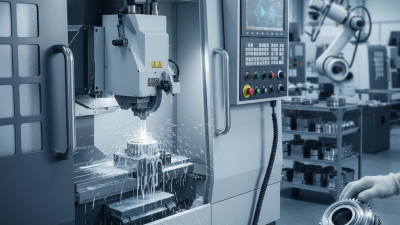
Choosing the right precision CNC grinding machine can be challenging. This decision impacts the quality and efficiency of production. A precision CNC grinding machine is essential for achieving high precision in parts manufacturing. It is crucial to understand what features matter most for your specific needs.
Many factors influence your choice, including machine size, type, and capabilities. Assessing your production volume and complexity is vital. You need a grinding machine that aligns with your operational goals. Reliability in performance and ease of maintenance are key attributes.
In this guide, we offer practical tips to help you select the optimal precision CNC grinding machine for your business. Making an informed decision requires research and consideration. We will explore aspects that can enhance production while maintaining accuracy and efficiency. Investing time in this process can pay off significantly down the line.
Understanding the Basics of Precision CNC Grinding Machines
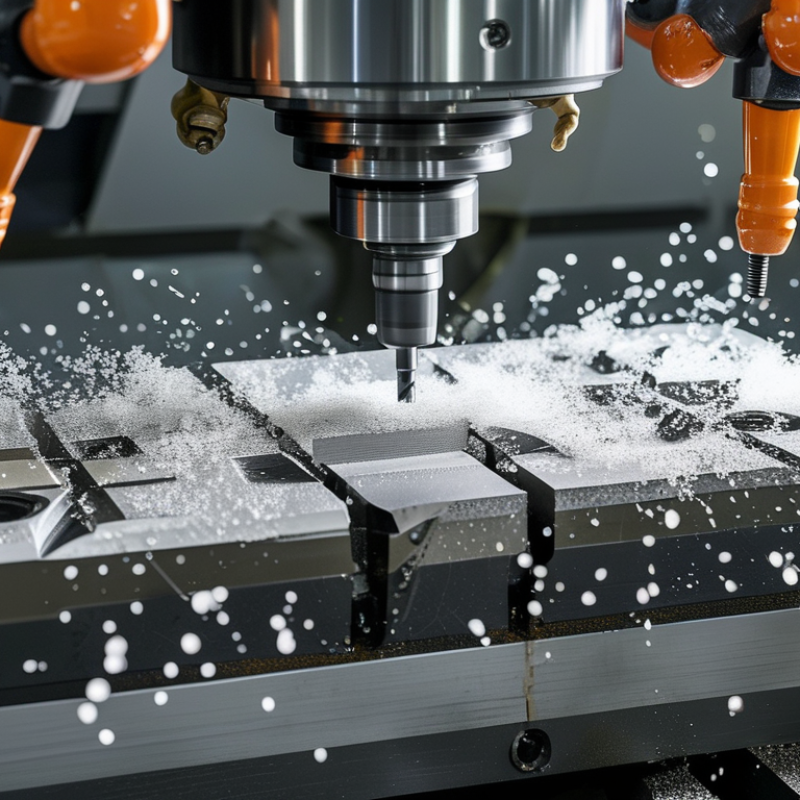
Precision CNC grinding machines are essential tools in modern manufacturing. Understanding their fundamentals is key to making the right choice. These machines operate by using a rotating wheel to remove material from a workpiece. This removes imperfections and ensures a smooth finish. A good machine should have precise control over speed and feed rates. Such control allows for better tolerances in your work.
Material selection is another critical aspect. Common materials processed include metals like steel and aluminum. However, harder materials require specialized wheels. You'll need to assess the type of grinding wheel that suits your workpiece. It’s essential to match the right wheel to the material to avoid excessive wear or damage.
Keep in mind that not all machines come with the same features. Look for machines with programmable settings. Modern CNC grinding machines often offer this functionality. This can simplify the grinding process significantly. Users sometimes overlook maintenance needs. Regular checks and updates can prevent unexpected downtime. Ultimately, understanding these basics aids in making an informed decision.
Assessing Your Specific Grinding Needs and Application Requirements
Choosing the right precision CNC grinding machine starts with understanding your specific grinding needs. Every application has unique requirements. Materials vary in hardness and thickness. Components may demand different tolerances. By assessing your materials and end goals, you create a solid foundation for your search.
Consider your production volume and workflow. Are you working on high-volume projects or custom, low-quantity runs? This reflection helps define the machine’s capabilities. It’s crucial to match speed and capabilities with your operational needs. Assessing the types of grinding processes required—be it external, internal, or surface grinding—also plays a role in your choice.
Other factors include machine size and technology. Available space influences your options. Newer technology often presents increased efficiency but may come at a higher cost. Reflect on whether the investment aligns with your long-term goals. Balancing cutting-edge features against cost-effectiveness is essential. This thoughtful approach ensures a machine that fits seamlessly into your operation.
Key Features to Look for in CNC Grinding Machines
When choosing precision CNC grinding machines, key features can significantly influence productivity and accuracy. Look for machines that offer robust build quality. A solid frame reduces vibrations, enhancing the grinding process. Pay attention to spindle speed and power. Higher speeds enable faster material removal, while adequate power maintains consistency.
Precision is crucial; therefore, consider machines with advanced CNC controls. These controls should provide real-time feedback on grinding parameters. This helps in making necessary adjustments during operations. Tooling versatility is another essential aspect. Machines that accommodate various tooling options allow for a broader range of applications.
Lastly, evaluate the ease of maintenance. Machines with accessible components facilitate quicker repairs. This can minimize downtime and enhance reliability. Reflect on your specific needs and workflows to choose wisely. Each feature you prioritize shapes the efficiency and outcomes of your grinding tasks.
Evaluating Manufacturer Reputation and Support Services
When choosing precision CNC grinding machines, evaluating the manufacturer's reputation is crucial. A reliable manufacturer often has a strong history in the industry. Look for customer testimonials that confirm their consistency and quality. Online reviews can offer insights, but they should be taken with caution. A mix of positive and negative feedback helps create a more rounded view. Pay attention to how the company addresses complaints. This can be more telling than praise alone.
Support services are another critical aspect. Manufacturers should offer timely assistance and comprehensive user manuals. Consider their availability to provide maintenance or answer inquiries. Delays in support can impact your production. Investigating whether training is available for operators can also reflect a manufacturer's commitment to ongoing customer success. Assess how knowledgeable the staff is. The more they understand their machines, the better support you will receive. The right support can greatly extend the machine's lifespan and enhance productivity.
Budget Considerations and Cost-Effectiveness in CNC Machine Selection
Choosing the right precision CNC grinding machine is critical for maximizing productivity and efficiency. Budget considerations can significantly impact the decision-making process. A recent industry report indicates that businesses often underestimate operational costs. The initial purchase price isn't the only expense. Costs related to maintenance, tool wear, and energy consumption can add up. Evaluate total cost of ownership (TCO) to ensure the best investment.
When selecting CNC machines, think about the specifications needed for your projects. Different machines offer varying precision levels. Some may achieve tolerances of less than 1 micron, while others may not. Assess your needs carefully. Industry data suggests that companies that invest in precision machines often see a return on investment within 18 months due to reduced waste and improved accuracy.
Consider your production scale. Smaller shops might find it more cost-effective to lease machines rather than buy. An analysis by a manufacturing consultancy showed that over 40% of small businesses chose leasing to manage overhead costs. This could be a smart strategy for growing firms. Look into software solutions that come bundled with machines to avoid hidden costs. These factors can dramatically influence your final decision.
Budget Considerations for CNC Grinding Machines
 +86 13630122007

 CONTACT YIYAN
 CONTACT YIYAN