How to Choose the Right Precision Cnc Grinding Machine?
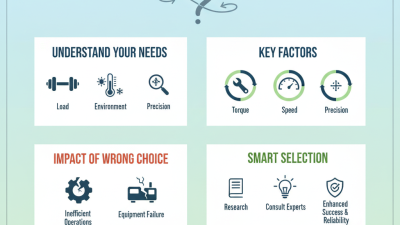
Choosing the right Precision CNC Grinding Machine is crucial for achieving optimal results in machining operations. With many options available, it can be overwhelming for manufacturers. To select the ideal machine, one needs to consider several key factors.
Understanding the specific applications and materials is essential. Not all grinding machines handle every task efficiently. Precision CNC Grinding Machines vary in features, such as spindle speed and tooling options. High-quality machines ensure accuracy and reduce downtime.
Moreover, evaluating the manufacturer's reputation plays a significant role. Brands that offer reliable support and maintenance can improve your operation's longevity. Experience with various materials also influences the choice. Companies should reflect on their unique needs and capabilities before making a decision. The right machine can make a difference in quality and productivity.
Understanding the Basics of Precision CNC Grinding Machines
Selecting the right precision CNC grinding machine requires a solid understanding of its basics. Precision CNC grinding is a process used for finishing surfaces and achieving tight tolerances. According to a report from the U.S. Department of Commerce, the demand for precise machining has increased significantly, with growth expected to reach 25% by 2025. This highlights the importance of selecting a machine that meets specific performance requirements.
When evaluating a CNC grinding machine, consider factors such as spindle speed, wheel size, and control systems. Machines with faster spindle speeds often deliver better surface finishes. A recent study found that over 60% of manufacturers prioritize surface finish quality. Control systems also play a critical role. Advanced systems can help minimize errors and reduce setup time. However, they may also introduce complexities that require skilled operators.
Not all machines are the same. Some may excel in certain aspects but lack in others. It's vital to reflect on your specific application requirements. Data from industry analysts indicates that about 40% of grinding machine buyers regret their initial choice due to mismatched technical capabilities. Understanding the nuances of different models can help mitigate these risks.
Key Features to Look for in CNC Grinding Machines
When selecting a CNC grinding machine, focus on key features that enhance precision and reliability. First, analyze the machine's spindle design. A well-engineered spindle ensures better accuracy and stability during operations. Look for high rigidity, as this reduces vibrations and improves surface finish quality. A robust spindle can handle various materials without compromising performance.
Another crucial feature is the machine's control system. Modern CNC grinding machines come with advanced software that allows for easy programming and adjustments. An intuitive interface is beneficial for operators, minimizing errors and training time. Additionally, seek machines with real-time monitoring capabilities. This is important for detecting issues early and maintaining consistent quality throughout production runs.
Consider the size and versatility of the machine. A compact design may save space but can limit functionality. Evaluate whether the machine can handle diverse grinding tasks. Flexibility is key, as it allows adaptation to evolving project demands. Remember, investing in a machine with the right features can lead to long-term benefits, but it requires thoughtful consideration of your unique needs and production goals.
Evaluating Your Specific Grinding Needs and Applications
Choosing the right precision CNC grinding machine begins with understanding your specific grinding needs and applications. Each industry has unique requirements, whether it’s aerospace, automotive, or medical. For instance, the aerospace sector typically demands high precision and surface finish. According to a 2022 industry report, about 75% of aerospace components require tolerances of less than 10 microns. Knowing these specifications will guide you in selecting a machine that meets your precise criteria.
Consider the materials you work with. Different materials require different grinding techniques. The hardness and brittleness of materials can significantly influence the type of grinding wheel or machine process you should employ. The latest studies reveal that 70% of manufacturers see material compatibility as essential for efficient grinding operations. Additionally, analyzing your production volume helps. High-volume production may benefit from automated CNC grinders, while lower volumes might require more versatile, manual setups.
Reflecting on the process can also unveil potential areas for improvement. Keeping records of machine performance and grinding outcomes can lead to better decision-making for future purchases. Look for machines with adaptability to cut costs without compromising quality, as nearly 60% of manufacturers reported budget constraints impacting their choices. Regular evaluations based on data-driven insights can ensure that your grinding operations remain competitive and efficient.
Budget Considerations When Choosing a CNC Grinding Machine
Choosing a CNC grinding machine requires careful budget consideration. It's crucial to define your production needs first. Consider the materials you'll work with and the volume of production. These factors heavily influence the type of machine you'll need and the associated costs. A basic machine may fit a small workshop, but larger operations may require more complex equipment.
Budgeting involves more than just initial costs. There are maintenance expenses and potential upgrades to think about. Unexpected breakdowns can lead to significant downtimes and lost revenue. Allocate funds for training your staff, too. They need to operate the machine effectively to maximize productivity.
Don't underestimate the importance of researching used machines. They can offer great value for businesses on a tight budget. However, a used machine may come with hidden issues. It's important to evaluate their history and performance. Always consult with professionals to ensure you're making a sound investment.
Comparing Different Brands and Models of CNC Grinding Machines
Choosing the right precision CNC grinding machine demands careful consideration of various brands and models. Each manufacturer offers unique features tailored to specific operational needs. One key aspect to examine is the machine's accuracy. A more precise machine can significantly impact product quality and reduce material wastage.
Efficiency is another crucial factor. Some models may operate at high speeds but compromise precision. It's essential to find a balance. Look for machines equipped with advanced technology for enhanced performance. Comparing specs can reveal substantial differences. Always review feedback from users to gauge reliability.
Tips for selection: consider your specific requirements, like the materials you’re working with. Understand the technical support available for each model. A solid warranty can provide peace of mind. Evaluating the company’s reputation in the industry also plays a significant role. Read reviews and ask peers for their experiences to make informed decisions.
Remember that no machine is perfect. Be ready to adjust your processes based on the machine's capabilities. Reflecting on your operational goals helps ensure you select a model that meets your long-term needs.
 +86 13630122007

 CONTACT YIYAN
 CONTACT YIYAN